
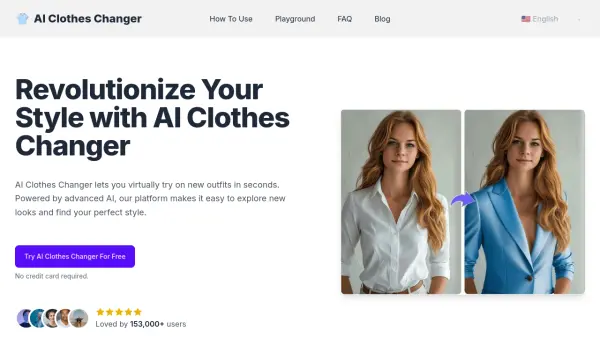
In recent years, the fashion and technology industries have seen a convergence that has changed the way we think about clothing, style, and digital imagery. The advent of the clothes remover ai tool https://aiclothesremover.app/ has not only transformed how we perceive clothing but has also introduced new possibilities in design, media, and personal expression. These tools utilize sophisticated algorithms and machine learning techniques to analyze and manipulate images, providing users with the ability to remove clothing from photos effortlessly. This article explores the technology behind these tools, their applications, and the implications for various industries.
Understanding the Technology Behind Clothes Remover AI Tools
At the core of clothes remover AI tools lies advanced computer vision and machine learning technologies. Neural networks, particularly convolutional neural networks (CNNs), are trained on vast datasets that include a diverse range of people, clothing styles, and skin tones. The AI learns to identify patterns, colors, and textures associated with different types of clothing and human anatomy. Once trained, the models can accurately predict and remove clothing in images, allowing for seamless editing and manipulation.

The training datasets are crucial for the accuracy and effectiveness of these tools. They must encompass various body types, clothing types, and skin tones to ensure inclusivity and prevent biases in the AI’s functionality. As a result, developers are constantly working to improve and update their datasets to reflect the diversity of real-world scenarios.
Applications of Clothes Remover AI Tools
The applications of clothes remover AI tools are vast and varied, extending across numerous industries, including fashion design, marketing, and even entertainment. Here are some notable use cases:
1. Fashion Design and Retail
Clothes remover AI tools have significant implications for fashion design and retail. Designers can use these tools to create virtual fittings, allowing customers to visualize how garments will look on them without actually trying them on. This not only enhances the shopping experience but also contributes to reducing return rates for e-commerce businesses.
Moreover, retailers can employ these tools in their marketing campaigns to create visually striking advertisements. By showcasing different clothing options on a single model, brands can reach a broader audience and generate interest in their products. This innovation allows brands to highlight versatility and style without logistical constraints.
2. Content Creation and Social Media
Content creators and influencers on social media platforms are increasingly turning to clothes remover AI tools to enhance their posts. These tools enable users to quickly change or remove outfits in their photos, providing endless possibilities for content customization. This feature not only saves time but also enhances creativity, allowing influencers to experiment with various styles and looks effortlessly.
Additionally, fashion bloggers can provide their audiences with a unique experience by showcasing different clothing options on themselves or others in an interactive manner. This capability can lead to higher engagement rates and increased follower counts.
3. Gaming and Virtual Reality
The gaming and virtual reality industries stand to benefit from clothes remover AI tools as well. Game developers can utilize these tools to create customizable avatars that allow players to remove or change clothing in real-time, enhancing player immersion and personalization. Such features can make games more engaging and enjoyable, contributing to their success.
Furthermore, in virtual reality environments, the ability to manipulate clothing can create more realistic and dynamic interactions, enriching the overall experience for users.
Ethical Considerations and Challenges
As with any emerging technology, the rise of clothes remover AI tools comes with ethical considerations and challenges. One major concern is the potential for misuse, such as in the creation of explicit or misleading content. Developers and users must navigate the fine line between creative expression and the potential for exploitation and violation of personal boundaries.
Moreover, privacy concerns arise when using such tools, especially if the AI technology is employed without consent. It is essential for users to have control over their images and how they are manipulated. Developing robust frameworks for responsible use and consent is crucial for ensuring that these technologies are employed ethically.
The Future of Clothes Remover AI Tools
The future of clothes remover AI tools looks promising as technology continues to evolve. As AI algorithms become more sophisticated, we can expect even greater accuracy and realism in image manipulation. This progression may lead to the integration of augmented reality (AR), allowing users to experience these changes in real-time.
Furthermore, as consumer attitudes towards fashion and social media shift, these tools may play a pivotal role in redefining self-expression and identity. The capability to explore and experiment with varying styles will empower users to embrace creativity like never before.
Conclusion
Clothes remover AI tools signify a significant leap forward in the intersection of technology and fashion. By streamlining the process of image manipulation, these tools have opened new doors for innovation across various sectors. However, along with their potential comes the responsibility to utilize them ethically and responsibly. As we look ahead, it is clear that clothes remover AI tools will continue to evolve, shaping the future of fashion, entertainment, and self-expression in exciting and unforeseen ways.
